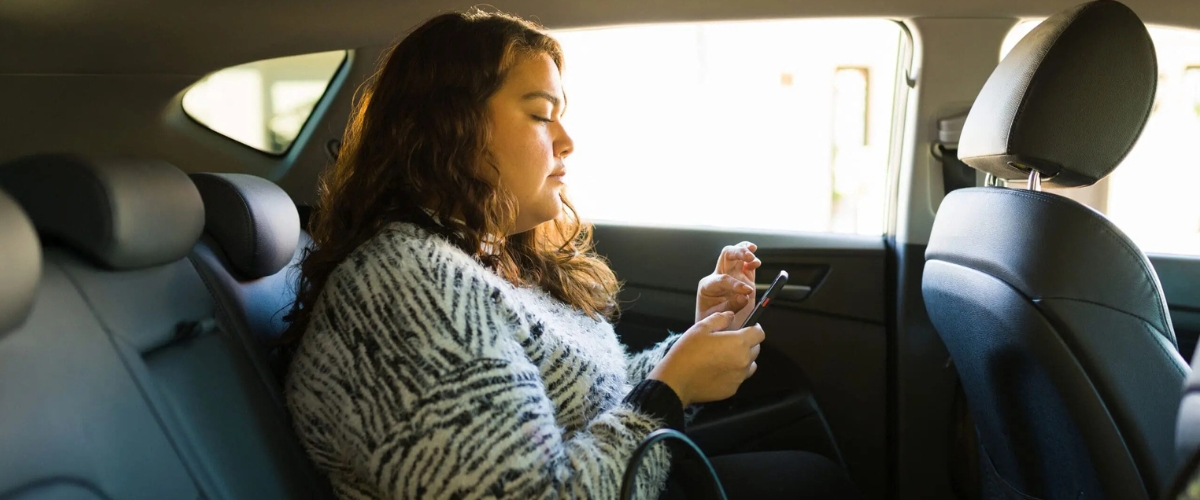
Rideshare apps like Uber and Lyft are now part of everyday life, but many people are still unsure what happens when a rideshare trip ends in an accident. Many immediate steps are similar to those after any other crash: everyone involved should get to a safe place if possible, exchange information, call 911 when someone is hurt or emergency help is needed, and seek follow-up treatment as soon as possible.
However, rideshare accident claims do differ from ordinary car accident claims because more insurance policies may be involved. Depending on the facts and available policies, a claim may involve the rideshare driver’s personal insurance, insurance available through the rideshare company, another driver’s insurance, or the injured person’s own coverage. Which policy applies often depends on whether the driver was logged into the app, waiting for a ride request, on the way to pick up a passenger, or transporting a passenger.
A Hypothetical Example of a Georgia Rideshare Accident
Heading to Hartsfield-Jackson via an Uber, Joanne’s frustration with Atlanta’s traffic turned to shock when the rideshare she was in was rear-ended. The force of the impact sent her forward, then abruptly back into the headrest of the back seat. Joanne knew that the time it would take for police and paramedics to arrive would cause her to miss her flight, so she called another Uber to take her to the airport.
While Joanne’s instinct to get to her flight was understandable, leaving the scene before speaking with police or receiving medical attention can make it harder to document what happened. Hours later, when pain from her injuries became too much to ignore, she checked into the hospital, wondering whether the driver’s insurance would pay her claim.
Georgia Requires Rideshare Company Insurance
If, after her rideshare accident, Joanne calls an accident attorney, one of the first things they’ll investigate is what insurance may apply first. Georgia law requires all drivers to maintain liability insurance; specifically, at least $25,000 per person and $50,000 per incident in bodily injury coverage and $25,000 per incident in property damage coverage.
However, many insurance companies do not provide coverage when drivers use their personal vehicles to provide rideshare services. Policies may include language that states that the coverage doesn’t apply if an accident occurs while the car is being used for rideshares. Rideshare drivers should check their car insurance policy to see if this exception exists and if their insurance provider offers additional coverage for rideshare drivers.
If rideshare drivers don’t check their insurance but mistakenly believe they are complying with the law, it could leave injured passengers like Joanne facing disputes over which policy applies. To avoid this, Georgia law requires rideshare companies to make sure qualifying insurance is in place to provide coverage to their drivers, depending on what services the driver provides.
The Rideshare Driver’s App Status Matters
Georgia law O.C.G.A. § 33-1-24 sets different insurance requirements depending on the rideshare driver’s app status at the time of the crash.
When the Rideshare Driver is Logged On
When a driver is logged into the rideshare app but has not yet accepted a ride request, Georgia law generally requires applicable coverage of at least $50,000 per person and $100,000 per accident for bodily injury or death, as well as at least $50,000 in property damage coverage per accident.
When There is an Active Ride
Once a driver has accepted a ride request, including when the driver is on the way to pick up a passenger or is transporting a passenger, Georgia law requires higher insurance limits. During this time, the amount required is at least $1 million in liability coverage for bodily injury, death, and property damage per accident. Whether payment is available in a particular case depends on fault, injuries, damages, policy terms, and other facts.
Georgia law also includes uninsured and underinsured motorist coverage requirements for active rides. This coverage may become relevant if the at-fault driver has no insurance or does not have enough insurance to cover the losses caused by the crash.
Which Insurance Policy May Apply After a Rideshare Accident?
The insurance available after a rideshare crash and the question of who may be legally responsible are separate issues. A driver’s status in the app can affect the insurance that may apply, but whether Uber, Lyft, the driver, or another party may be responsible depends on the facts and applicable law.
If a rideshare driver has completed their last ride of the night, logged off, and is offline when an accident occurs, the driver’s personal insurance, not the company’s, may provide coverage. If, however, the driver has logged into the app and is available to pick up passengers when they get into an accident, then the rideshare-related coverage may apply to the claim.
Other insurance may also matter. For example, a claim may involve an at-fault driver’s liability policy or, depending on the policy and facts, the injured person’s own uninsured/underinsured motorist coverage or medical-payments coverage.
What to Do After a Rideshare Accident
After a rideshare crash, it is normal to feel shaken and unsure of what to do next. Keep in mind these few basic steps to help protect your health, your records, and your ability to pursue a claim.
Check Health & Safety
If you feel okay, check on others involved in the accident. Even if you feel fine moving around, an initial state of shock may be masking injuries below the surface. Calling 911 can help create an official record and make sure anyone who may be injured receives prompt medical attention.
Seek Follow Up Care
An Uber or Lyft accident may result in injuries like concussion or whiplash that aren’t immediately obvious. Even if you feel fine, or only a little “woozy” it’s important to get medical care as soon as possible. While it might be tempting to ignore aches or pains following an accident, prompt medical evaluation can be important.
Document the Scene
If at all possible, you should try to remain at the scene, document what happened, and make sure you are added as a passenger on the police report. If it is safe and you are physically able to do so, collect or save identifying and insurance information from the drivers involved. Exchange information with drivers, passengers, and any potentially eyewitnesses. You can also take photos, record videos, and report the accident to the appropriate rideshare company using the app.
Any documentation you capture can be useful when filing claims for injuries or property damage after the accident.
When Should I Call a Georgia Rideshare Attorney?
The added complexity of multiple insurers in a rideshare accident claim sets these types of accidents apart from other car accidents. An attorney can provide help by identifying potentially available insurance coverages, communicating with insurers, and explaining your options based on the facts of your case. Montlick offers free attorney consultations for injured people and families who want clear guidance about what may come next. Contact us or call 800-529-6333 to speak with an attorney.
Rideshare Injury FAQs
How much insurance is available after a rideshare crash in Georgia?
It depends on what the driver was doing in the app. A driver waiting for a ride request has lower required coverage than a driver on an active ride. Active rides require at least $1 million in liability coverage, and Georgia law also requires uninsured and underinsured motorist coverage for active rides. The insurance that may apply and the available limits depend on the facts of the crash and the relevant policies.
I was hit by a rideshare driver while walking or biking. Can I file a claim?
You may have a claim if you were injured as a pedestrian or cyclist. Which insurance may apply depends on how the crash happened and the driver’s status in the app. The claim may involve rideshare-related coverage, the rideshare driver’s policy, another driver’s insurance, or other available coverage.
Does it matter whether the driver was logged into the app?
Yes. Whether the driver was offline, waiting for a ride request, on the way to pick up a passenger, or already transporting a passenger can affect which insurance applies and how much coverage is available. This is one of the main reasons rideshare claims can be more complicated than ordinary car accident claims.